Great coffee, a great breakfast, and even better conversations.
That’s what was on the menu when we hosted Breakfast at Batch LDN in the heart of the city on Thursday, January 29, 2026.
In three short years, Batch has turned the world of men’s fashion on its head by combining a made-to-order business model with redefining what a casual suit is and should be. Founded by friends Sam Matanle and Julian Osborne, the brand has grown rapidly by addressing two major pain points in fashion: the environmental waste of overproduction and the high cost of luxury tailoring.
Sam was part of the panel discussion alongside retail director Joe Pennington, who has decades of experience spanning the full retail spectrum and at the cutting-edge of menswear.
Between them, they had invaluable knowledge to share.
Here’s what we learnt:
1. The high street is far from dead, but there needs to be a shift in mindset
Physical retail isn’t the problem. It’s stores that give shoppers no real reason to visit.
As Sam put it: “Before we opened our store, all we kept hearing was that the high street is dead. The high street isn’t dead. It’s just full of dead shops filling the high street. And they’re dead because they weren’t giving customers what they wanted. If you're going to encourage shoppers to forgo the convenience of shopping online, that in-store experience has got to be really strong, otherwise what's the point?"
In a world where online shopping offers ultimate convenience, physical stores must justify their existence through experience. Sam's made-to-order model at Batch exemplifies this shift - the store operates as a showroom where everything is a sample, orders are collected monthly, and customers wait 4-8 weeks. They're not competing on speed; they're competing on sustainability, savings, and the in-store experience.
And it goes further than this. Batch’s approach has revolved around making the store a hub for the community.
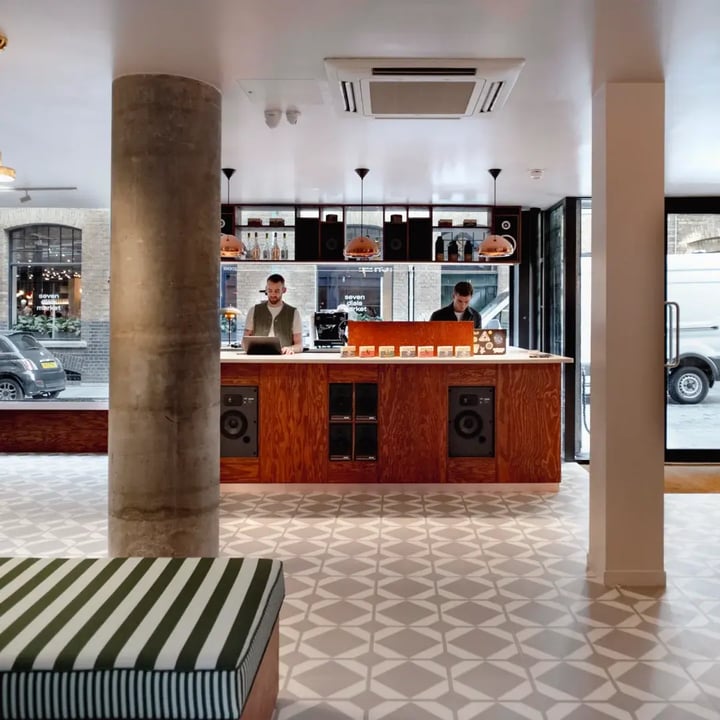
It’s way more than a store - it's a café, event space, and members club rolled into one. This "third space" concept (beyond home and work) is reshaping what retail can be.
Sam added, "We want to create spaces that are more and have a third space mentality about them. Our Seven Dials store is a place to come and hang out, particularly for men. Shopping isn't necessarily top of the list for most men, so how can we make that more of a priority? How can we make that a comfortable space to come and sit in and for a trip here to be time well spent?"
The key insight? As retail evolves from purely transactional to relational, stores need intent and purpose to be successful - and to offer something that goes beyond sales.
2. Great shopping experiences are driven by people
What shopping experiences stick in our memories? It’s usually the ones where we’re made to feel special and we leave a store smiling.
It’s this sentiment that stuck with Joe after a recent shopping trip: “If you walk into a store, no matter how big it is, you want the same experience you get if you go to your local shop - where you’re known, welcomed, and valued as a person not just a shopper.
“During a recent shopping trip with my family, a store associate who had only been working in the store for a month delivered a brilliant experience through human connection. Conversation is fundamental to good retail and, through talking to her, it was clear she loved her job, which made the experience so much better and like she was actively trying to make our day better. It became a memorable shopping experience for all the right reasons.”
This is all part of the reason why the best approach to sales is not to try to sell.
Sam added, “Some of the very best-selling techniques are when you don’t talk about sales. Get to know somebody, take down all the barriers, have a chat and become a friend rather than a salesperson. It’s a far more effective approach.
3. Retail tech needs a clear value proposition
With so much buzz surrounding AI and agentic commerce, both Sam and Joe were adamant that technology should never replace the human touch - and ‘tech for tech’s sake’ is a recipe for disaster.
“The question I go back to,” Sam said, “is how can technology make it easier and better for people working in a store to be able to serve a customer in the best possible way at any given moment? This is what the best technology in stores should do.”
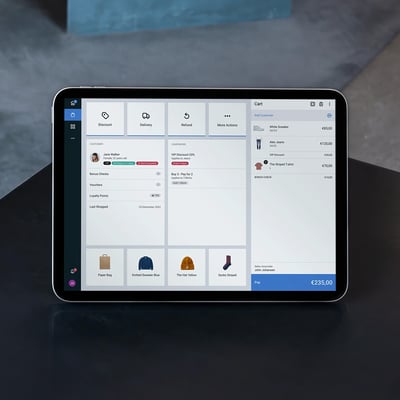
For example, when tech can provide instant access to customer history and purchase patterns, staff can offer highly relevant, personalized suggestions.
Furthermore, where AI can deliver genuine value is by streamlining backend operations while simultaneously elevating the human element of service. On an operational level, automation handles complex tasks such as inventory management, replenishment, and CRM integration, ensuring smooth execution.
Alongside this, sophisticated data processing tools can analyze critical metrics like dwell time, footfall, and store layouts to generate insights without placing any administrative burden on store teams.
4. The rules around menswear are being rewritten
The future of menswear retail is being shaped and redefined by profound cultural shifts in how men view themselves and what they want from a shopping experience.
Sam sees this shift as incredibly exciting:
We’re seeing the rise of the metrosexual man and men wanting help to be better versions of themselves. The problem is many of them don’t know where to start. We don't have a men's mental health crisis, we have a male confidence crisis.
“Most of the negative associations we have with male behaviour can be linked back to a lack of confidence. Whether it's arrogance, toxic masculinity, or ghosting after a date, it all comes down to not having enough self-security.
“So we see it as our job to help them look better, feel better, and to be more confident - which we believe is part of the antidote to toxic masculinity.”
Joe added: “If you can create a safe space - an environment where you’re not just a store, but a friend - somewhere men feel comfortable going to talk, where they feel known, then you’re creating something far more socially meaningful for men and a place they’ll keep on coming back to.”
You can watch the full clip from this part of the panel discussion here.
Final thoughts
The conversation at Breakfast at Batch reinforced a central truth: the future of retail isn't about choosing between physical and digital, or between human and technology. It's about creating experiences worth showing up for, powered by technology that enables deeper human connections.
Joe summed it up beautifully: "What I'm excited about is that retail is forever changing. Some people hate change. I don't hate change. I love change. It means something different is going to happen. The challenge is to embrace it and see where it's going to go.
And if the next five years are like the last five years, it’s going to be big, it’s going to be exciting, and it’s going to be full of opportunities for those brave enough to take them."
For retailers willing to embrace change, rethink their purpose, and put experience at the center, the future is going to be a very bright place.
Thank you to Joe and Sam for sharing their insights, and to everyone who joined us at Batch LDN for what was a genuinely inspiring morning. If you’d like to learn more about how we can help you deliver the kind of personalized, connected, and flowing experiences that modern retail demands, we’d love to talk to you.
Last updated: februari 24, 2026