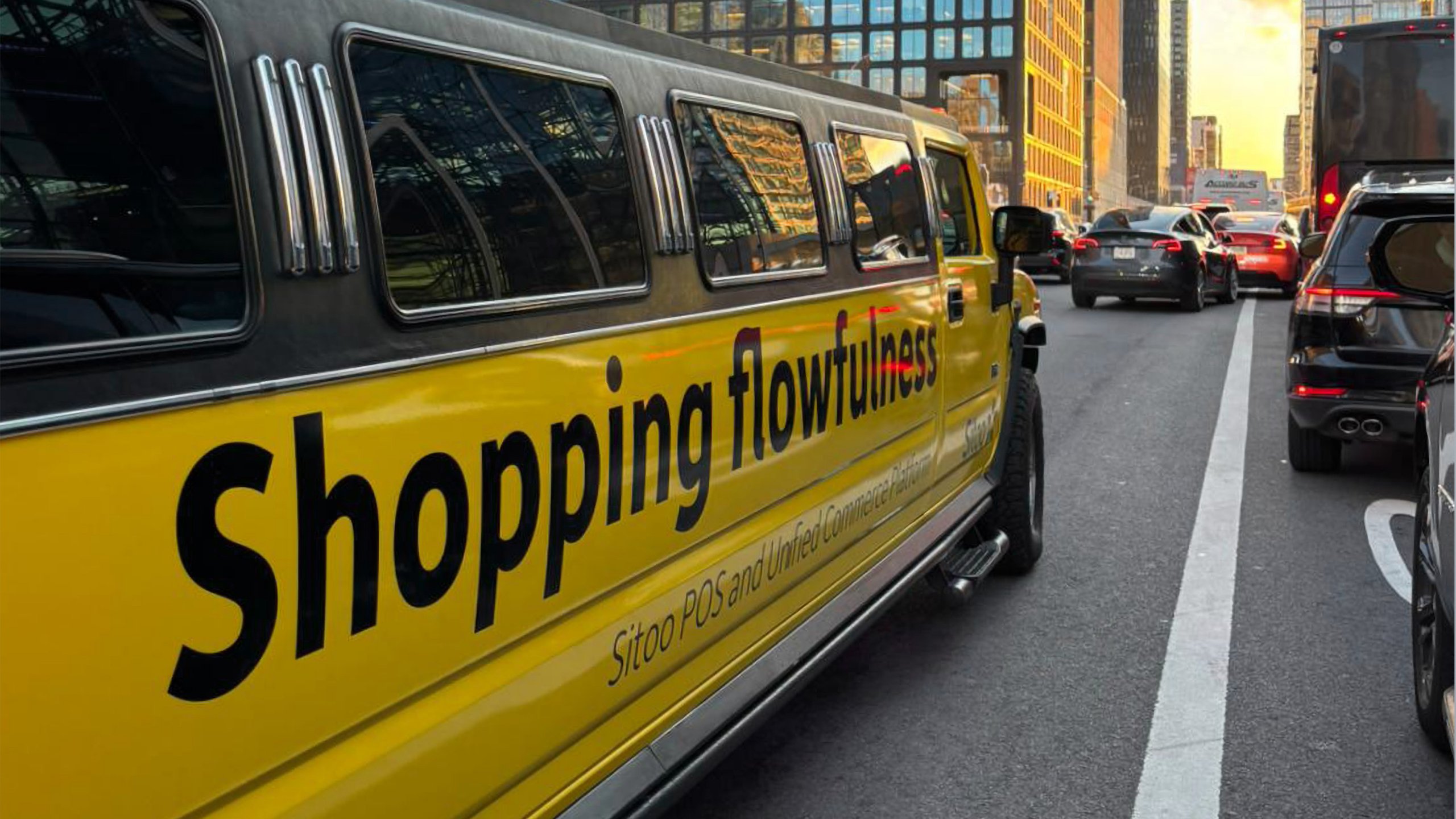
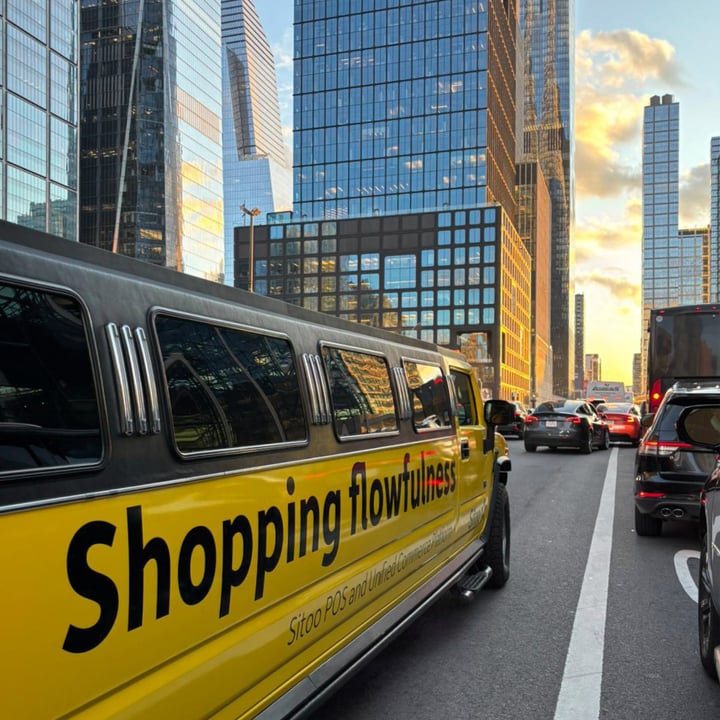
Close to 40,000 people descended on New York City at the start of January for NRF 2026. And, once again, Retail’s Big Show delivered everything it promised.
From a sea of exhibitors through to keynotes from people at the cutting edge of the industry, it was a whirlwind of ideas, innovation, and inspiration.
Now the dust has settled, we got the lowdown on all the buzz from our CPO, Tommy Oldebäck, who was on the ground at the Javits Center attending as many sessions as he could.
Here are his top takeaways from NRF 2026:
1. Agentic commerce was everywhere
If all the talk about AI at last year’s show was loud, this year it was deafening. The biggest shift at NRF 2026 was that the conversation has moved beyond “AI features” and toward AI that takes action - agents that can browse, decide, and execute on a shopper’s behalf.
The show floor was packed with demos, but the consistent message was it’s still early days: the exciting part is the potential, yet most retailers are not truly ready to scale it yet.
What’s holding things back isn’t imagination; it’s data readiness. If product, customer, and inventory data are not structured, connected, and trustworthy, an agent can’t deliver a good experience or make reliable decisions.
That’s why the same foundations kept coming up in agentic conversations: inventory and OMS trust, plus the growing need to manage fraud and abuse in an agent-driven world.
In other words, agentic commerce is already influencing how retailers think about their tech stack, but the winners will be the ones who pair AI ambition with rock-solid infrastructure.
2. Physical stores are back as growth drivers
One of the most striking takeaways from NRF 2026 was how strongly the industry narrative has swung back toward physical retail. Stores aren’t being framed as a cost to minimise, but as growth engines and a real source of differentiation, especially where experience and human service really matter.
The associate experience is now seen as a competitive advantage, with retailers looking to equip store teams with the right data and context to perform better on the shop floor.
Crucially, the demand isn’t for more systems. What resonated most were tools that give associates time back and guide them toward the next best action - helping stores operate smarter and sell more without adding unnecessary complexity or tech for the sake of it.
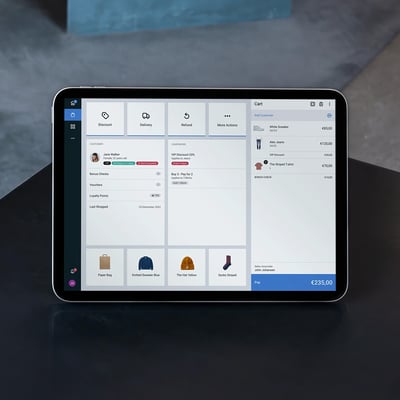
It’s why we’re seeing the POS evolve into becoming the associate’s operating system. It’s increasingly the central hub where customer context, product information, inventory visibility, and tasks come together so associates can serve shoppers, sell, and run the store without bouncing between systems.
3. Clientelling and retention are high-growth bets
NRF 2026 highlighted a clear shift in where retailers are focusing their growth investments. With acquisition becoming more expensive and less predictable, many brands are prioritising high-margin levers they can control, like clientelling and loyalty programs.
Rather than pouring more budget into SEO, AEO, and other acquisition tactics, retailers are doubling down on stronger customer relationships, repeat visits, and increased lifetime value. What stood out was how these kinds of initiatives are no longer viewed as a “nice-to-have” store initiative, but instead viewed as true revenue channels.
The takeaway was clear: as acquisition gets harder, 1:1, retention-driven engagement is one of the most reliable paths to profitable growth.
4. Retailers are still all‑in on omnichannel and composable, but…
Retailers haven’t stepped back from omnichannel ambitions or the long-term move toward composable architectures. The aim is to serve customers in a simple and effective way across all sales channels - and to replace “one big replatform” with more modular building blocks.
The biggest problem is execution. Many teams are trying to cut costs, grow, modernize, and fix omnichannel experiences at the same time, with limited budgets and lean teams. Which is far easier said than done.
That pressure is colliding with the reality of messy, overlapping legacy systems - the “Frankenstack” problem - where complexity slows everything down and makes change expensive.
The pattern we heard repeatedly was a push toward fewer, better platforms, but with progress constrained by what retailers can realistically resource right now.
5. Retail will always be about people
Of course, the tech is exciting and opens up a world of possibilities. But underneath this was a very strong message - it’s people who matter the most.
The human touch is the most important point of difference, especially as brands look for growth beyond pure digital acquisition. It’s why so many conversations about AI, data, and omnichannel ultimately came back to the same place: technology only delivers value when it improves the associate experience and helps store teams show up better for customers.
An “AI for AI’s sake” approach won’t get you far. Instead, the big takeaway for retailers is to invest in tools that give store associates time back, make life easier for them, and give them the right information at the right time so they can spend less time fighting systems and more time serving customers.
Final thoughts
There’s no industry on the planet quite like retail. Nothing matches the buzz and excitement. It sits at the intersection between people and technology - capturing the imagination, redefining what’s possible, and consistently raising the bar.
But getting retail ‘right’ is a balancing act - a tightrope walk where every step matters.
What NRF 2026 showed is that the future belongs to the retailers who dare to dream big, who have the courage to act and make good bets, and who always put their people (customers and store associates) first.
Last updated: februari 16, 2026