
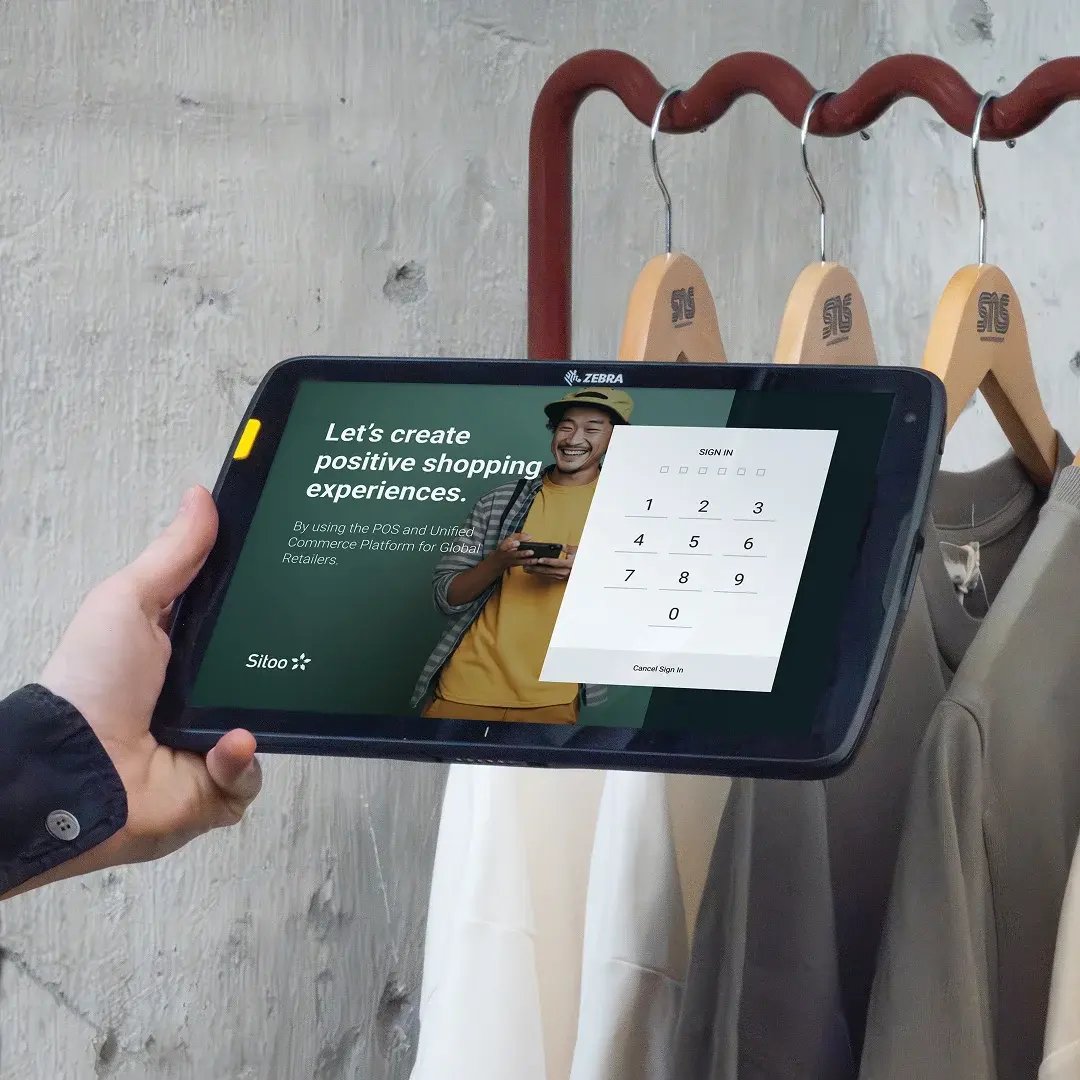
The world's leading retailers rely on Sitoo






What buyers often ask in the first call
-
Sitoo is used by fashion, lifestyle, and specialty retailers - from fast-growing brands to global store networks. Teams typically see better stock accuracy, higher in-store conversion, and faster store operations - while spending less time working around the system and more time helping customers.Related content
-
While new devices can be an upfront cost, the bigger value is long-term: lower maintenance and support, less downtime, lower energy use, simpler IT, and less reliance on aging Windows infrastructure. You also unlock revenue-driving workflows like endless aisle, ship-from-store, mobile checkout, and BORIS. The real comparison is the total cost of staying on legacy infrastructure over the next 5–10 years.
-
A typical Sitoo implementation starts with a pilot, then rolls out in phases. Initial setup can often be done in weeks, while the full timeline depends on store count, integrations, and internal readiness. Phasing reduces risk and allows adjustments along the way.Related content
-
There aren’t built-in hidden costs in the platform itself, but total cost depends on the full solution setup. Most unexpected costs come from integrations, customizations, and scope, so clear planning and defined responsibilities early on are what keep the project predictable.
-
Doing nothing often costs more than expected. Legacy systems tend to increase inefficiency, maintenance spend, technical debt, and security/compliance exposure - while creating customer experience gaps. Over time, retailers lose speed and miss opportunities in fulfillment, inventory use, productivity, and loyalty.