What keeps physical retail relevant when customer habits keep changing? What turns a store visit into the best part of someone’s day? And what does it really take to build a retail brand with staying power?
To find the answers, it helps to speak to someone who has seen retail from just about every angle.
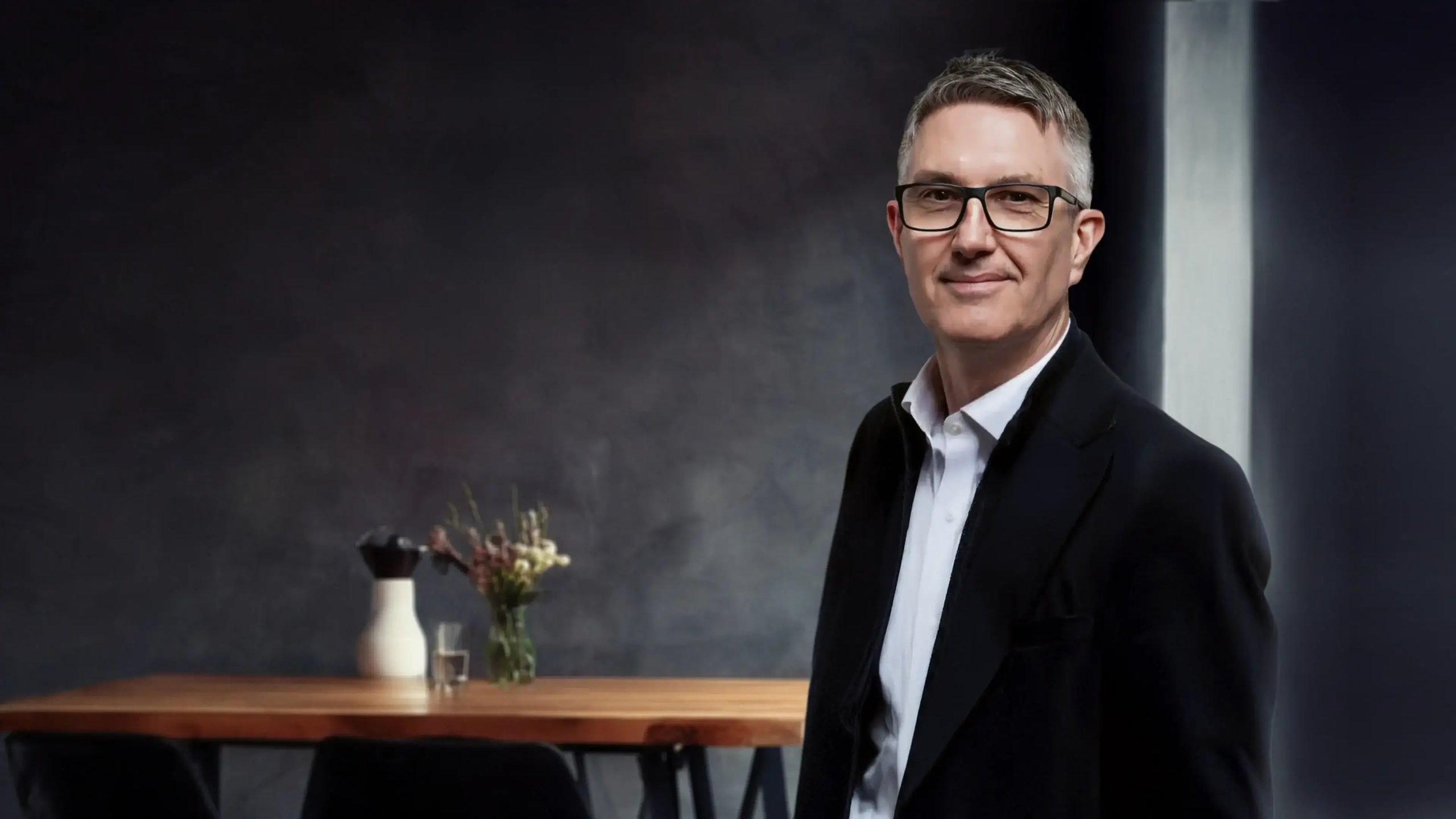
Joe Pennington has spent more than four decades in the industry, starting out at 16 on a youth training scheme at Burton in Liverpool before going on to build a career spanning menswear, airport retail, field leadership, and regional management.
From formalwear to fast-moving consumer goods, from the shop floor to strategy, he has seen firsthand how retail has evolved - and what’s stayed exactly the same.
That experience has given Joe a clear view of what separates good retail from great retail.
Yes, technology matters. Yes, store formats have changed. Yes, customer expectations are higher than ever.
But underneath all of that, his thinking comes back to something much more human: create a great place to work, create a great place to shop, and make every customer feel like they matter.
From helping store teams show up as their authentic selves to making stores feel more local and more useful, Joe has built his career around one big idea: retail works best when it is built for people - and we talked to him to find out what this really looks like.
Joe, thanks for your time. You’ve spent decades in retail, but where did it all begin?
I’ve been in retail a long time. I started when I was 16, so there are quite a few decades behind me now!
I joined Burton Menswear in Liverpool on a youth training scheme. Back then, it was a way of taking kids straight from school and giving them a path into work. I did that for a year, got a full-time job in the same store, stayed there for five years, and then got promoted to store manager in London.
I never looked back and retail has been my life ever since. Mostly menswear or apparel, but I have also worked in FMCG. One of the most eye-opening roles I had was at Heathrow, looking after retail across the terminals. That was probably the first time I really saw how technology could shape a better customer experience. They were using digital boards and other tools to guide people through a huge space, give them confidence, and make it easier for them to buy.
That was my first real introduction to how tech can support the human side of retail rather than replace it.
You’ve worked across a lot of different environments. What principles have stayed constant for you throughout your career?
There are two things I’ve always come back to: create a great place to work and create a great place to shop.
If you can get those two things right, you’re already on the right path. An engaged team will create a better customer experience. A better customer experience creates loyalty. And loyalty creates a stronger business.
I’ve always believed that if a customer has bothered to get off their backside and come into your store, then your job is to make it the best part of their day. How do you make them walk away thinking, “That was brilliant. I got exactly what I needed. No fuss. Great service.”
That philosophy shaped how I led teams and how I thought about retail strategy. It’s not just about shifting product. It’s about making the experience feel worth it.
You’ve spoken before about helping teams be themselves at work. Why has that been so important to you?
Because people do their best work when they can show up as themselves.
At Charles Tyrwhitt, one of the things I really wanted to change was the feeling that service had to be stiff or overly formal. I didn’t want people to feel like they had to stand with their arms behind their backs and deliver some old-fashioned version of customer service. I wanted it to feel natural, human, and organic.
We built a service model around that. It gave people permission to be themselves, to connect with customers in a genuine way, and to stop feeling like they had to perform some pretentious version of retail.
That had a huge impact internally. Engagement improved. Retention improved. Store managers and assistant managers stayed longer because they felt involved, listened to, and trusted. They felt like they could just be who they were, and that matters.
In retail, if one business is paying slightly more than another down the road, the question becomes: what makes people stay with you? Most of the time, it comes down to the environment you create. If people feel good coming to work, they are much more likely to stay and give their best.
Did that shift in culture translate into stronger business performance, too?
Yes, absolutely. One hundred percent.
When people feel engaged and supported, productivity goes up. Sales go up. The whole atmosphere changes.
Post-COVID, when a lot of businesses were rebuilding, people really bought into the idea that they were part of something. Store managers, regional teams, everyone was stepping up because there was a shared sense of purpose. It felt like people were treating the business as if it were their own.
You could see that in the numbers. Engagement scores went up. Retention improved dramatically. Basket size improved. Units per transaction improved.
That didn’t happen by accident. We made the shop floor easier to navigate. We made the product more relatable by creating outfits rather than just displaying items. We introduced personal shopping. We opened stores out of hours for wedding parties.
In short, we gave customers more reasons to shop and gave teams more reasons to care.
And then we backed that up with a reward. We created a bonus scheme that meant store managers could, in some cases, double their monthly salary in a bonus period. So it wasn’t just “show up and work hard.” It was “show up, believe in this, and you’ll be recognized for it.”
That idea of giving people more reasons to visit feels especially relevant right now. Is diversification becoming essential for physical retail?
I truly believe it is.
If you can give people multiple reasons to come and shop with you, you’re going to be in a much stronger position. Customers shop whenever it suits them now. They’ll buy online at midnight on Christmas Day if they want to. So physical retail has to work harder to be useful, relevant, and worth the trip.
That doesn’t necessarily mean being open all hours. But it does mean being available for more than you were before.
A good example is wedding parties. Try getting six or eight men together at the same time when everyone is juggling work, family life, and everything else. The groom and the best man are often tearing their hair out. If you can offer them a solution - opening the store early on a Sunday, getting coffees in, making it easy and enjoyable - they feel like you’ve rescued them.
That’s what great retail does. It sees a problem and solves it in a way that feels personal.
You don’t just want to be a place where people can buy something. You want to be a place that makes life easier, makes people feel looked after, and gives them a reason to come back.
Where do you see technology playing the biggest role in creating that kind of experience?
For me, the best retail technology removes the hassle.
When a customer comes into your store, they usually arrive with the intention of buying something. So your job is to make that process as easy as possible. That is where the right tech can be incredibly powerful.
If someone is in a fitting room and they’ve decided to buy, why make them queue at a fixed register if you can complete the transaction there and then? If you can process the sale before they’ve even put their shoes back on, they walk away thinking, “That was brilliant.”
The same applies to returns and exchanges. If the right software is in place, you can pull up their history, find the order, make the exchange, and move on without any drama.
That matters, because a return is still part of the customer experience. If selling is easy but returning is difficult, you haven’t completed the circle. You’ve just annoyed somebody who already trusted you enough to spend money with you.
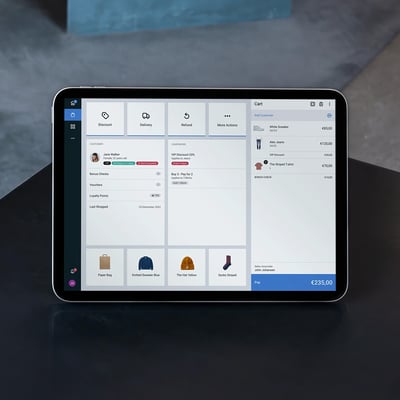
That’s why I like the move toward mobile devices and handheld terminals. They let the whole store become a service point. You can sell, refund, exchange, or assist wherever the customer is. It keeps things flowing and it builds trust.
What excites you most about where retail is going next?
One thing I love about retail is that it still feels deeply needed.
I’m completely against the idea that the high street is dead. You only have to walk down any high street at different times of day to see that people are still there. They are meeting for coffee, running errands, browsing, socializing, spending time. There is still a real purpose to physical space, and a lot of that comes down to community.
The opportunity for retailers is to make themselves the reason why someone chooses to spend with them. If a customer has £100 to spend this week, why should it be with you and not somewhere else?
That’s the exciting bit for me. The chance to make a difference. The chance to create an experience that puts a smile on someone’s face. The chance to make retail feel relevant and human.
And when brands get the sensory side right as well - smell, touch, atmosphere, emotion - that becomes incredibly powerful. You see it with the best brands. They capture the imagination. They create an environment that people want to step into again and again.
Retail is still one of the few industries where, when it’s done well, you can genuinely change the course of someone’s day in the space of 20 minutes. That’s special.
And for retailers who want to stay relevant and build something with longevity, what would your advice be?
First, know your lane. Know what you want to go after, what your purpose is, and then be brilliant at it.
Don’t try to be everything to everybody straight away. Be the expert in your space. If people trust you for that, they will be far more willing to follow you if you decide to grow or diversify later.
Second, surround yourself with people who believe in what you’re trying to build. If you want to strengthen, widen, and grow the business, you need people who believe in the vision and want to go on that journey with you.
And third, never forget the foundation. For me, it always comes back to those same two ideas: create a great place to shop and create a great place to work.
If you can build on that, you’ve got the right starting point. Everything else - product strategy, people strategy, growth plans - becomes much easier to build from there.
Because retail success is not a secret. It starts with knowing who you are, being useful to your customers, and giving your people the freedom and support to do great work.