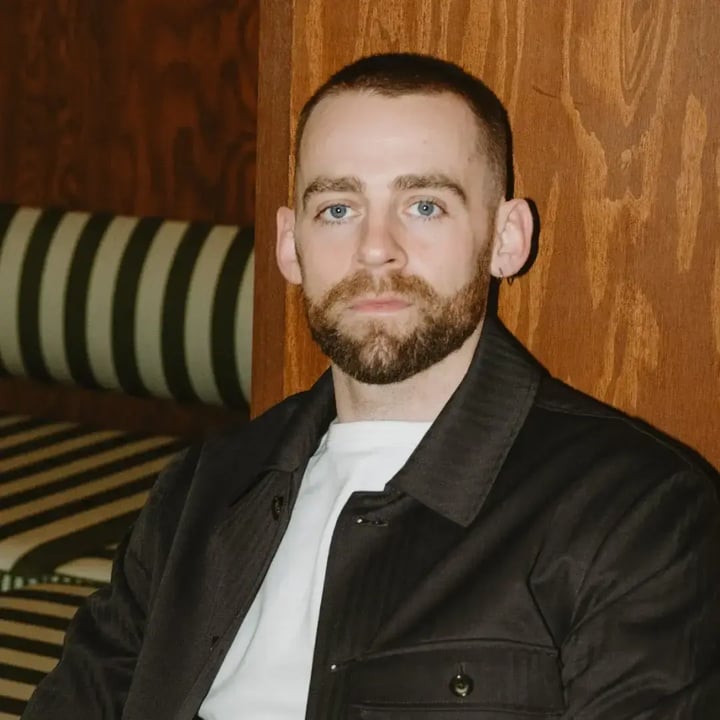
What happens when a store becomes more than a store? When physical retail spaces become the heart of a community? When connecting with customers becomes the number one priority?
To find the answers, you don’t have to look much further than what’s happening at Batch LDN.
Batch’s story started with a conversation in a kitchen between co-founders and friends Sam Matanle and Julian Osborne. They asked themselves: what would a suit look like if it was designed for real life?
Fast-forward four years and Batch has turned the world of men’s fashion on its head by combining a made-to-order business model with redefining what a casual suit is - and should be.
But the story is more than that. From tackling the sustainability crisis in fashion to helping men embrace the best versions of themselves, Batch are ripping up the rule book, flying in the convention, and going from strength to strength because of it.
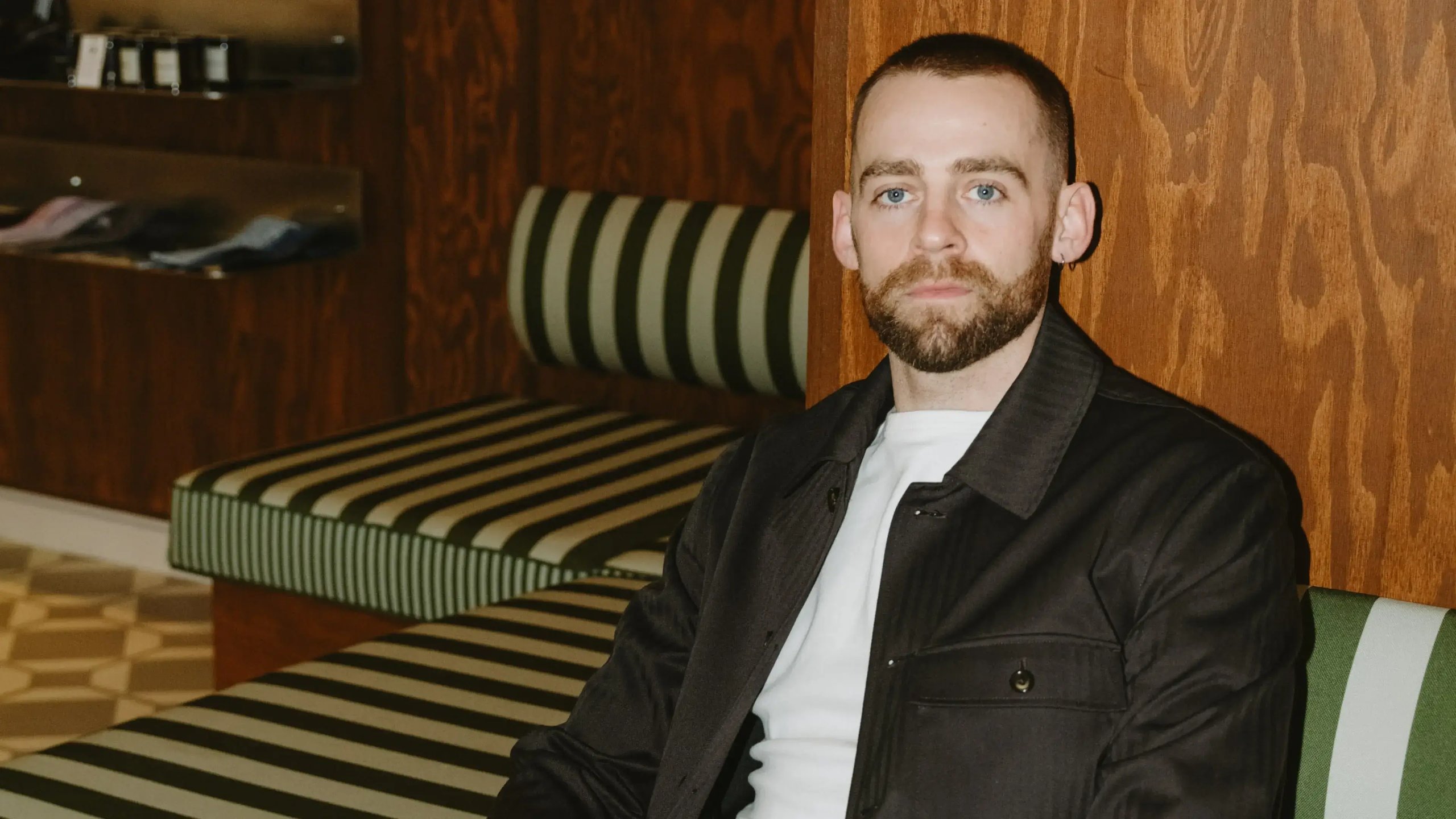
We sat down with Sam to get the lowdown on what he’s learnt since Batch began, to find out the ways physical retail can go way beyond simply selling, and to understand how you can create an in-store experience that keeps customers coming back time and again.
Sam, thanks for your time, we’re sitting here in your flagship store but this isn’t where the story began is it?
No, it’s not. We actually started as a pure ecom business operating in drops. People would have a window to buy and, if they missed it, then it was tough luck and they had to wait for the next one. It was great for exclusivity but a nightmare for cash flow.
But the bigger problem was trust. We were asking customers to pay upfront and wait four to eight weeks for their suit. In an era of next-day delivery, that’s a massive ask. We quickly realized that if you are going to demand that patience from a consumer, you need to give them serious trust signals. They need to know they aren't being scammed. They need to know there is a physical door they can knock on if the product doesn't arrive.
That drove us into physical retail much faster than we planned. We started with a two-day pop-up in Shoreditch just to test the waters, which was a huge eye-opener. People needed to touch the fabric, see the build quality, and try on the sample sizes to have the confidence to commit to the wait. We then moved to Spitalfields Market and we haven’t looked back.
Were you worried about moving into physical retail?
For years there’s been a narrative surrounding physical retail that the high street is dead. I’ve never bought it. The high street isn’t dead, it’s just full of dead shops. Shops that don’t give people a reason to visit. If you want someone to forgo the convenience of shopping online, the in-store experience has to be 10 out of 10, otherwise what’s the point? For us, the shop became that bridge: it validated the quality of the product and proved that we were a real, tangible business.
How did you go about giving people a reason to visit that went beyond simply sampling the product?
For me, the best examples of physical retail are when a shop is way more than just a shop. It’s got to have intention behind it that gives people a reason to come in and a reason to stay.
We want to create spaces that have a 'third space' mentality - a place to come and hang out, like a members' club. Particularly for men, shopping isn't necessarily top of their priorities list.
So, how can we make that a priority? How can we make it a comfortable space to sit and have a conversation?
That’s why we have the café, and it's why there’s actually a quite limited amount of display within the shop - so we can clear the floor and host events. We do tattoo flash days, ring-making classes, and on the last Friday of every month, my barber comes in to do complimentary haircuts with every suit fitting. We give people a reason to get off their ass, get in the shower, and come down to the shop.
How important has this approach been to connection, community, and loyalty?
It’s been a game changer. One of the things that annoys me the most is walking into a shop and you've got someone jumping down your throat trying to sell you something. For me, the experience in retail has got to be about connection. How do you build that connection before you even talk about the products? Ask 'Where are you from?' or 'How's your day going?' be an interested and interesting person.
This is what builds loyalty. Loyalty is about making customers feel like they've got the opportunity to be important and when they’re part of a community, they feel like this. If you build this really strong connection you’ll grow your community, you’ll get more advocacy, and you’ll get more loyalty. And you’ll make more money - but in a nice way - without having to rely on growth levers like discounting, which I hate and we don’t do because a discount customer will always be a discount customer.
Attitudes to menswear - and what men want - are changing. What excites you most about this?
We’re seeing the rise of the metrosexual man and men wanting help to be better versions of themselves. The problem is many of them don’t know where to start. We don't have a men's mental health crisis, we have a male confidence crisis.
Most of the negative associations we have with male behaviour can be linked back to a lack of confidence. Whether it's arrogance, toxic masculinity, or ghosting after a date, it all comes down to not having enough self-security.
So we see it as our job to help them look better, feel better, and to be more confident - which we believe is part of the antidote to toxic masculinity.
The confidence element of the business came post-launch, when the biggest bit of feedback from our consumers was how many compliments they get when they're wearing a suit. We're trying to inspire this new wave of asking: what actually is a confident man? It's not the facade, it's not Billy Big Bollocks, it's challenging this new wave where everyone can be confident.
I had someone cry the other day because, in their mind, they've never felt good in a traditional suit. He put ours on and almost had a couple of tears because it gave he saw himself in a totally different light. The reality is we're here to sell clothes and make money, but it's nice that we can attach some purpose to that at the same time.
What excites you most about the future?
The dream is to be a global powerhouse. Essentially, your go-to made-to-order smart casual menswear brand. We want to be the number one stop-shop for men that want to look better.
We’re seeing retail come back into the mix in a big way as a place to connect. People are drinking less, they’re bored of just going to the pub or another run club, and they’re looking for new spaces to hang out.
To be able to create a brand that isn't just selling clothes but is actually a part of that lifestyle shift - helping men feel ten inches taller and giving them a community to belong to - that’s incredibly exciting.
And for other retailers out there who want to be successful and stay relevant, my best pieces of advice would be to hire the right people and make sure the customer experience is the number one thing you focus on. Forget everything else. If you don’t show people a good time, they’re not going to buy from you.